Why Data Storytelling Matters
Facts alone are not memorable
Stories stay in long-term memory
Data becomes easier to remember when paired with emotion


Proof:
This is why I don’t just present data — I design it as a story.
My Process
Understanding the Audience
Start by identifying who is in the room and why they are there
Assume everyone already knows the surface-level problem
Focus on what the audience does not yet see or realize
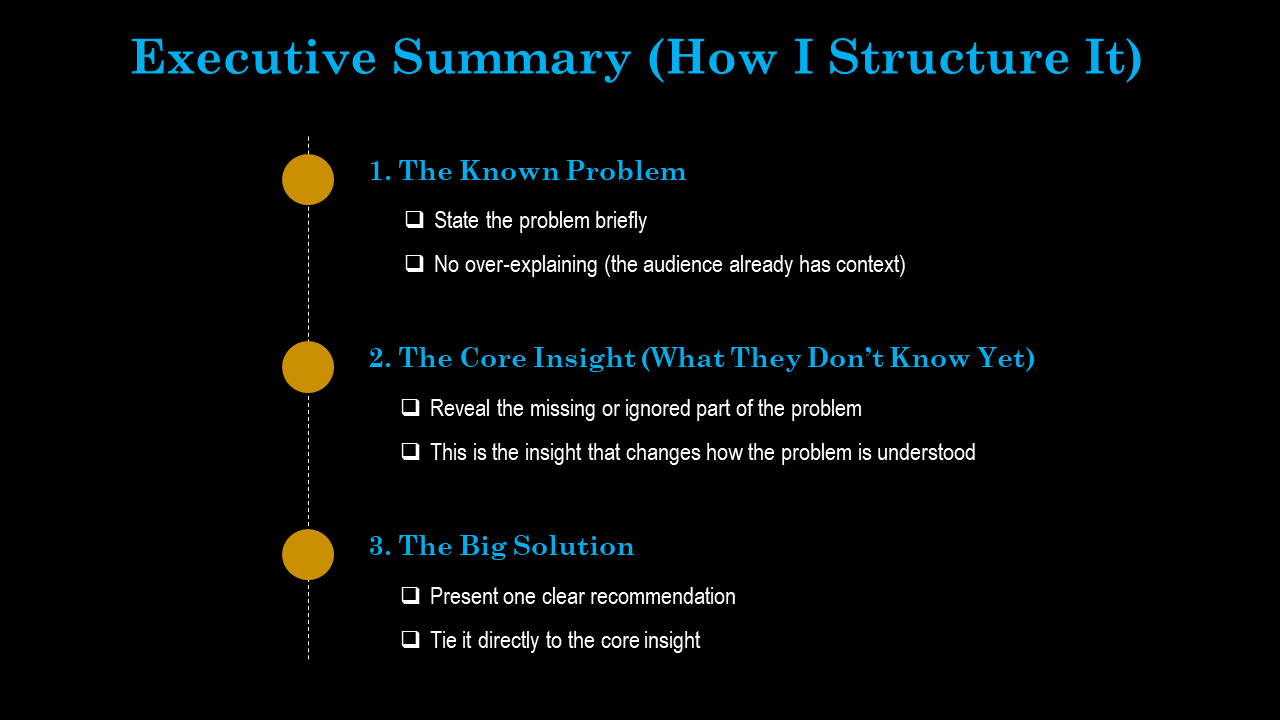
Examples of Story Techniques I Use to Keep Attention
1. Bad → Good Switch
Start with the problem or tension
End with improvement or resolution
Makes progress visible



Here is the Before...
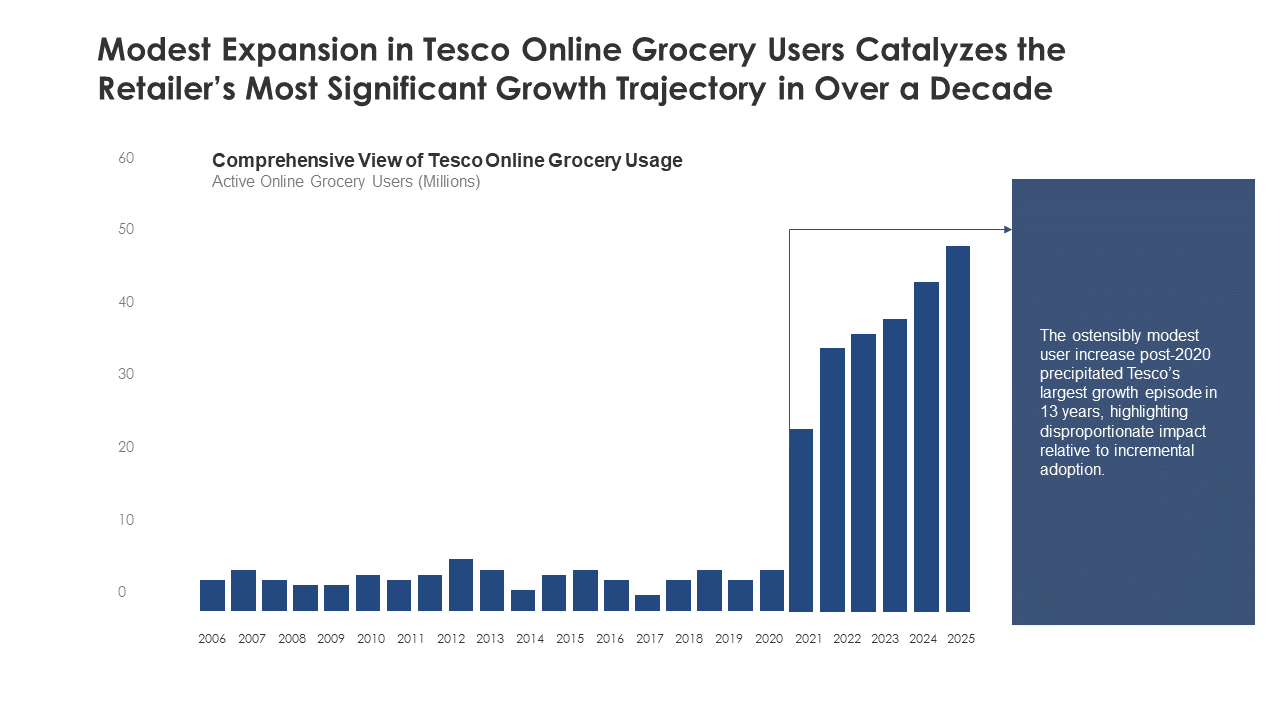
2. Humanize the Data
Compare numbers to real-life or familiar things
Helps people feel the data, not just read it
Here is the before and after





My Approach to Data Storytelling
These are just a few of the techniques I use to turn data into stories that are clear, human, and persuasive.
In practice, I combine many storytelling and simplification methods—choosing what best serves the message, the audience, and the decision at hand.
My focus is always the same:
Reduce cognitive load, guide attention, and make the insight unmistakable.
I don’t expect the audience to work for the meaning.
I do the analysis, remove the noise, and reveal the takeaway—clearly and intentionally.
Every deck is structured as a narrative, not a collection of slides.
Each slide earns its place, sets up the next, and answers one simple question:
What’s the message—and why does it matter now?